

27 May Tools to Win at Reentry: Why Progress Matters More Than Perfection
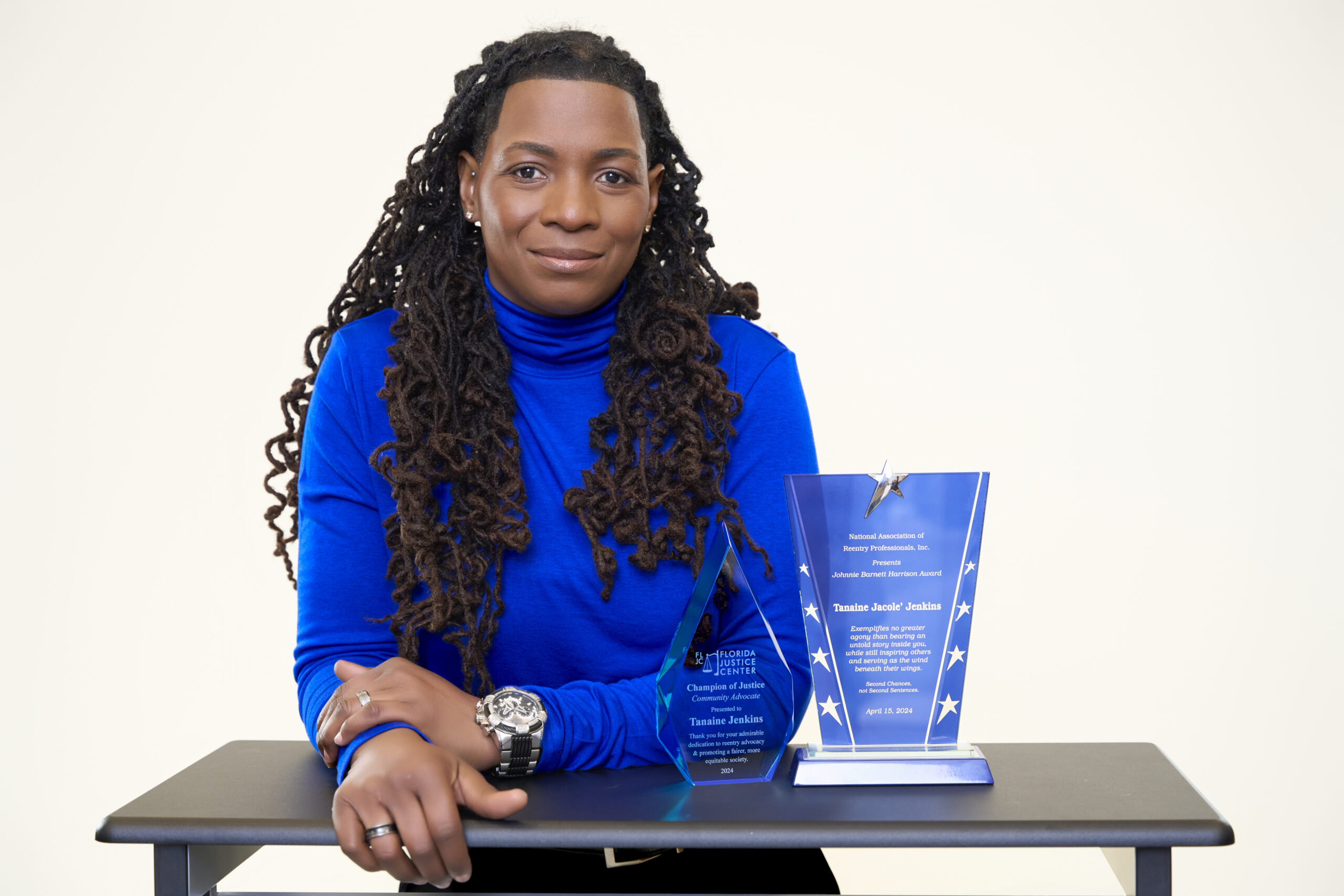
When I came home from prison in 2012, I didn’t know what to expect.
I had five years of probation ahead of me and nearly $20,000 in restitution to pay. I knew I needed a job—not only because it was required, but because survival depended on it.
Before prison, I worked in corporate America making $60,000 a year. I believed I would return home and continue where I left off.
I was wrong.
The felony conviction I carried suddenly disqualified me from opportunities I once qualified for. Jobs that offered stability and a living wage were no longer accessible. I wasn’t just serving probation; I was serving what I now call the Second Sentence—the invisible barriers that continue long after incarceration ends.
That experience taught me reentry is not one-size-fits-all.
Every person returns home with different needs, goals, barriers, and support systems. Reentry plans must be individualized because people are not checklists.
Think about it this way.
Imagine a man goes to the doctor because of severe knee pain. After testing, the doctor determines he needs surgery. Before the procedure, he is told what to expect. After surgery, he leaves with medication, physical therapy, follow-up appointments, and a recovery plan.
Why?
Because healing requires support.
Now imagine if that same patient was sent home with no medication, no therapy, and no follow-up care. His recovery would become harder—not because he was incapable of healing, but because he lacked support.
Yet this is often how reentry works.
People leave prison carrying trauma, debt, employment barriers, housing challenges, family separation, stigma, and supervision requirements. Many return home with little preparation and no individualized roadmap for success.
The good news is this: people returning home already possess many of the qualities needed to succeed—resilience, adaptability, perseverance, and the ability to survive difficult circumstances.
The challenge is not a lack of potential. The challenge is a lack of tools.
I know because I lived it.
I came home carrying barriers I never expected, yet through relationships, opportunity, purpose, and persistence, I went from returning citizen to author, TEDx speaker, strategist, and advocate working to change systems.
That transformation did not happen by accident. It happened because progress was possible.
That is why I developed the PROGRESS Framework:
P – Purpose
R – Resources
O – Opportunity
G – Growth
R – Relationships
E – Economic Stability
S – Support Systems
S – Self-Efficacy
PROGRESS recognizes that successful reentry requires more than supervision. It requires purpose, opportunity, relationships, support, and the tools necessary to rebuild.
Reentry is not about perfection.
It is about progress.
Because when we stop measuring people by their worst mistake and start measuring the steps they take forward, we move beyond punishment and begin eliminating the Second Sentence.
Progress—not punishment—is what changes lives.
Tanaine Jenkins
Author, Speaker & Advocate
State Organizer REFORM Alliance
[email protected]
To learn more about the PROGRESS Framework and how progress can transform the reentry journey, visit TanaineJenkins.com.
Sorry, the comment form is closed at this time.