



08 Apr The Evolution of Technology in Corrections & Reentry

Technology in corrections didn’t evolve because it was trendy. It evolved because the old way became less effective as the world outside evolved.
At City of Faith, that meant moving away from paper and into a fully digital environment. Not for the sake of saying we did it, but because the work demanded more accountability, faster response, and better outcomes for the people going through the system.
Where it Started

Corrections didn’t begin as a tech-driven space. For a long time, it was built on manual systems and human oversight.
Before the 1980s, everything lived on paper. Records were written by hand, stored physically, and tracked by whoever was responsible that day. Security was straightforward locks, keys, and eyes on people. If something was missed, it stayed missed.
As technology started creeping in through the 80s and 90s, we saw the first wave of change. Digital record systems showed up. Electronic monitoring became possible. Early prison management software started replacing filing cabinets. It was progress, but it was limited.
By the 2010s, things started to shift more aggressively. Data became something you could actually use instead of just store. Surveillance improved. Case management systems became more structured.
Now, in the 2020s, we’re in a completely different environment. Systems are connected. Data moves in real time. Mobile tools support reentry. Telehealth fills gaps that used to exist. And AI is starting to layer on top of everything.
The shift is pretty simple when you zoom out:
we went from reacting → to tracking → to predicting.
We started looking for data-driven outcomes instead of just recording activity.
Accountability Looks Different Now
If you compare how accountability worked then versus now, it’s not even close.
Before, a lot of systems relied on trust and manual verification. Honor systems, physical logs, and visual observation were the standard. If someone said they checked in, it depended on whether it was written down correctly or at all.
Now, it’s a different mindset. It’s not about assuming, it’s about verifying. Trust, but verify.
Biometric systems confirm identity. GPS tracking shows movement in real time. Documentation isn’t sitting in a folder it’s stored, timestamped, and accessible instantly. Drug testing doesn’t take days, it happens on the spot.
The guesswork has been stripped out. And that changes everything.

Technology Isn’t Perfect

It’s easy to talk about what tech fixes, but it’s just as important to understand where it struggles.
A lot of organizations don’t have the funding to implement systems the right way. Even when they do, hardware becomes an issue, devices break, become outdated, or aren’t available at scale. Then there’s training. You can’t drop new systems into a workplace and expect everyone to just pick it up.
Security is another layer. The more digital you become, the more you have to protect. Privacy concerns don’t go away; they actually get bigger. And on top of that, technology moves fast. Policies and procedures don’t always keep up.
If you don’t plan for those gaps, technology doesn’t solve problems—it creates new ones.
New Barriers in Reentry
One of the biggest shifts isn’t inside facilities it’s what happens after release or in many cases during the re-entry and work release phases.
Everything today is digital. There’s no way around it.
Applying for a job? Online.
Accessing healthcare? Online.
Communicating with family or services? Online.
Lets Face it Covid has Changed the worlds approach.
For someone who has been away for years, that gap can be overwhelming. One individual described it as going from the old ages to Star Wars after serving over a decade and that’s not an exaggeration.
To frame this Google Came out to the public in 2004, The iPhone came out in 2007. Now we’re multiple generations deep into smartphones. Imagine missing that entire transition and being expected to function in it immediately.
In one study the Bureau of Justice found that 401,288 prisoners in 30 states released in 2005 found that 68% reoffended within 3 years, 79% in 6 and 83% in 9 years. Relocation resulted in a delayed incarceration rate. When you look at that it’s clear that there is a problem with re-offending. So What Can be done?

Technology Reduces Barriers

Current Correctional models are not aligned with societal change. Studies have shown that education and employment are the primary solution
Rand Corporation found that inmates who participate in Education are 43% less likely to be reincarcerated. That’s enourmous. We have an obligation to put people back better than we got them. We can’t call the field corrections if we’re not focusing on correcting behavior.
When it’s implemented correctly, technology does more than track people it helps prepares them.
Technology provides one major avenue to this and that is access.
Access to education improves because it’s no longer tied to a physical classroom. Communication with family becomes easier and more consistent. Job preparation tools are available before release, not after. Telehealth fills gaps that used to delay care.
On the staff side, the impact is just as real. Less time is spent on paperwork. Decisions are backed by data instead of assumptions. Communication between teams improves. Emergency responses become faster and more coordinated.
And one thing that doesn’t get talked about enough, if done right burnout goes down. When systems work, people aren’t constantly fighting them.
Safety and Efficiency Are Tied Together
A lot of the tools being used today sound advanced, but they’re already part of daily operations.
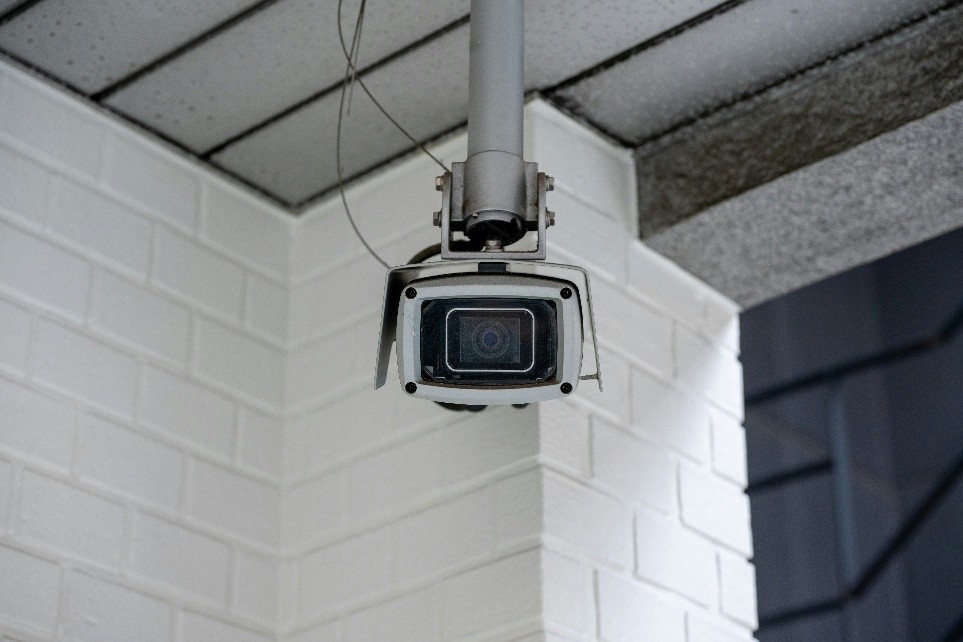
Body cameras increase accountability across the board. Biometric access controls who goes where. Telemedicine allows care without transport. Video analytics and modern surveillance catch things that would have been missed before.
Even tools like thermal cameras, drones, and automated check-ins are becoming standard in certain environments.
It’s not about adding complexity rather it’s about reducing blind spots.
AI Is one more Tool

AI is starting to sit on top of all of this, and it’s changing how systems operate.
It can filter large amounts of data quickly, automate repetitive work, and identify patterns that would take a person much longer to see. That has real value in behavioral monitoring, risk assessment, and communication screening.
But it comes with risk.
Privacy concerns don’t go away they actually increase. Bad data leads to bad outputs. And there’s always the temptation to rely on it too much.
Basically AI is a tool and should be used as a support tool for decision making not what makes them.
City Of Faiths History
City of Faith built its first internal system back in 2007. At the time, it was a big step forward—a digital version of a paper process that handled tracking, finances, medication, and accountability.
But like most early systems, it had limits. It depended heavily on manual input. Automation was minimal. Reporting wasn’t where it needed to be. Security didn’t meet today’s standards.
It worked for its time. But it wasn’t built for where we are now.

What it’s like Today

City of Faith built its first internal system back in 2007. At the time, it was a big step forward—a digital version of a paper process that handled tracking, finances, medication, and accountability.
But like most early systems, it had limits. It depended heavily on manual input. Automation was minimal. Reporting wasn’t where it needed to be. Security didn’t meet today’s standards.
It worked for its time. But it wasn’t built for where we are now.
The Data Speaks for Itself
Over the last three years, the numbers tell a clear story:
Hundreds of participants enrolled.
Tens of thousands of photos captured.
Millions of check ins recorded.
Clear tracking of compliant and non compliant behavior.
That level of visibility wasn’t possible before.
And when you can actually see what’s happening, you can respond to it.
Technology in corrections isn’t about replacing people. It’s about giving them the tools to actually do the job the right way.
More visibility.
Better decisions.
Stronger outcomes.
Do more with less—and do it better.

Sorry, the comment form is closed at this time.